I used to believe that if something in my home looked dated, scratched, or mismatched, the solution was to replace it.
Over time, though, I realized that most furniture doesn’t actually need replacing — it just needs a little attention.
Some of the pieces I almost got rid of are now the ones I appreciate the most.
Not because they’re perfect, but because they fit our home, our routines, and the way we actually live.
Updating furniture slowly taught me that you don’t need expensive tools, professional skills, or a perfect vision.
You just need patience, curiosity, and a willingness to experiment.
This is how I approach furniture updates in real life — honestly, imperfectly, and in a way that works for our home.
Why I Stopped Buying New Furniture for Every Change
As our home started to feel more “lived in,” I noticed something interesting: brand-new furniture didn’t always make spaces feel better.
Sometimes it made them feel temporary or disconnected.
Updating existing furniture changed that.
Old pieces already have character. They’ve been used, moved, bumped, and lived with.
When you update them instead of replacing them, you keep that sense of history while shaping it into something that fits your current style.
I also realized that constantly buying new furniture adds pressure.
Pressure to keep up, pressure to match trends, pressure to get everything “right.”
Updating what I already had removed that pressure and gave me more freedom to experiment.
How I Decide Which Furniture Is Worth Updating
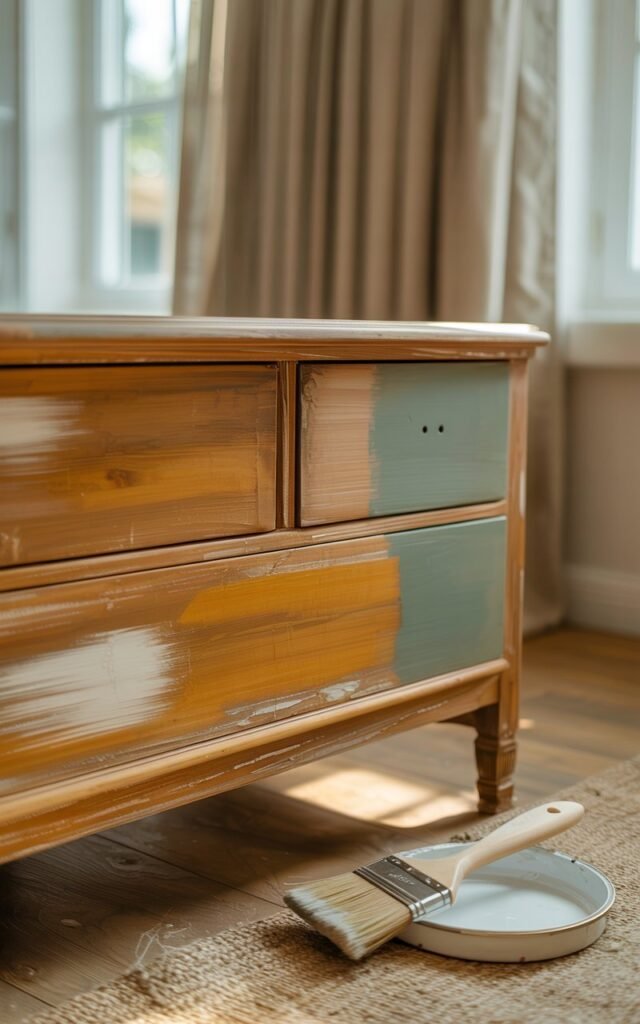
Not every piece deserves the effort, and I’ve learned to be honest about that.
Before starting anything, I ask myself a few simple questions:
- Does this piece serve a real purpose in our home?
- Is it sturdy enough to last a few more years?
- Can I imagine it fitting our space after a few changes?
- Will I enjoy working on it, or will it feel like a chore?
If the answer is mostly yes, I give it a chance. If not, I let it go without guilt.
Furniture I’ve Had the Most Success Updating
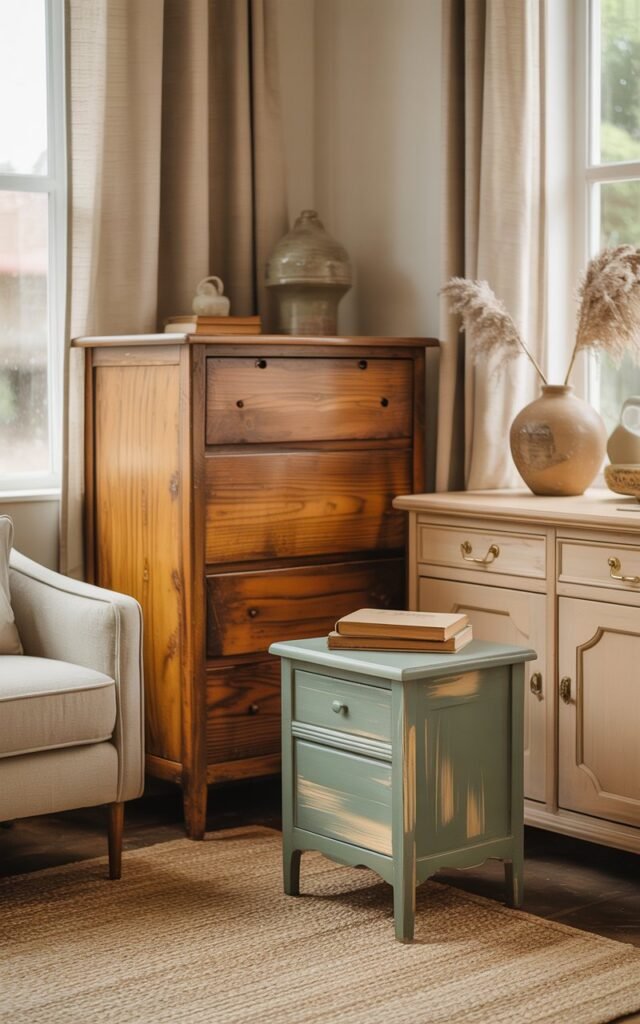
Some furniture is just easier to work with, especially if you’re not a professional.
The pieces that consistently work well for me include:
- Small dressers and drawer units
- Side tables and nightstands
- Cabinets and storage furniture
- Benches and accent seating
- Coffee tables
- Bookshelves
Larger or more complex pieces aren’t impossible, but starting smaller builds confidence and keeps projects manageable.
My Real-Life Approach to Refreshing Furniture
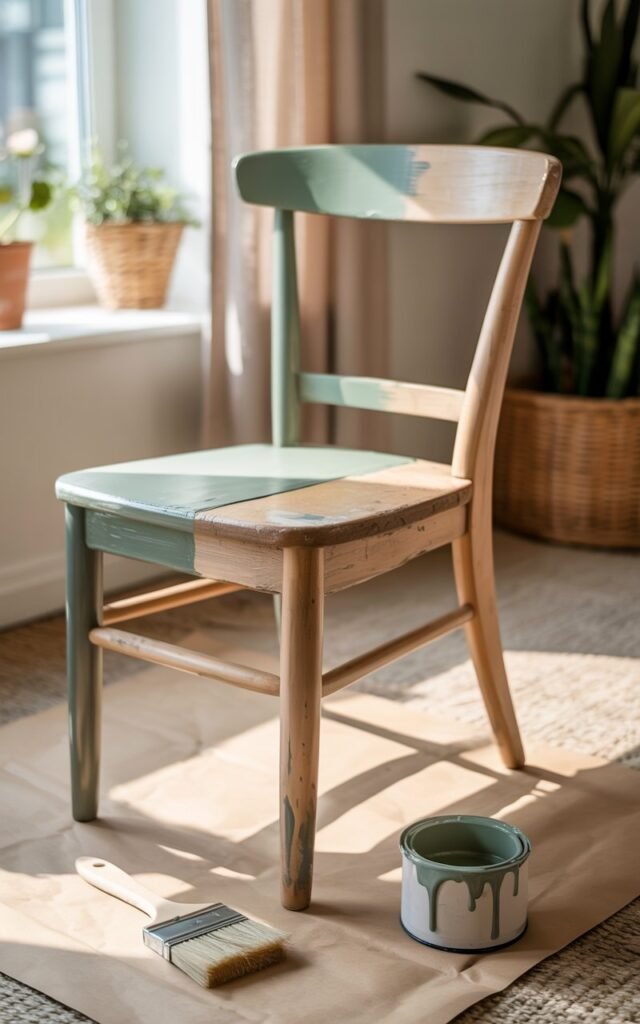
I don’t follow strict rules. I adjust based on time, energy, and what the furniture actually needs.
Cleaning Comes First, Always
Before I do anything else, I clean thoroughly.
Dirt, old polish, and residue can completely change how furniture looks once removed.
Sometimes, cleaning alone improves the piece enough that I don’t feel the need to go further.
I Rarely Fully Strip Furniture
Instead of removing everything down to bare wood, I usually work with what’s already there.
Light sanding, softening edges, or smoothing rough spots often gives better results than aggressive stripping.
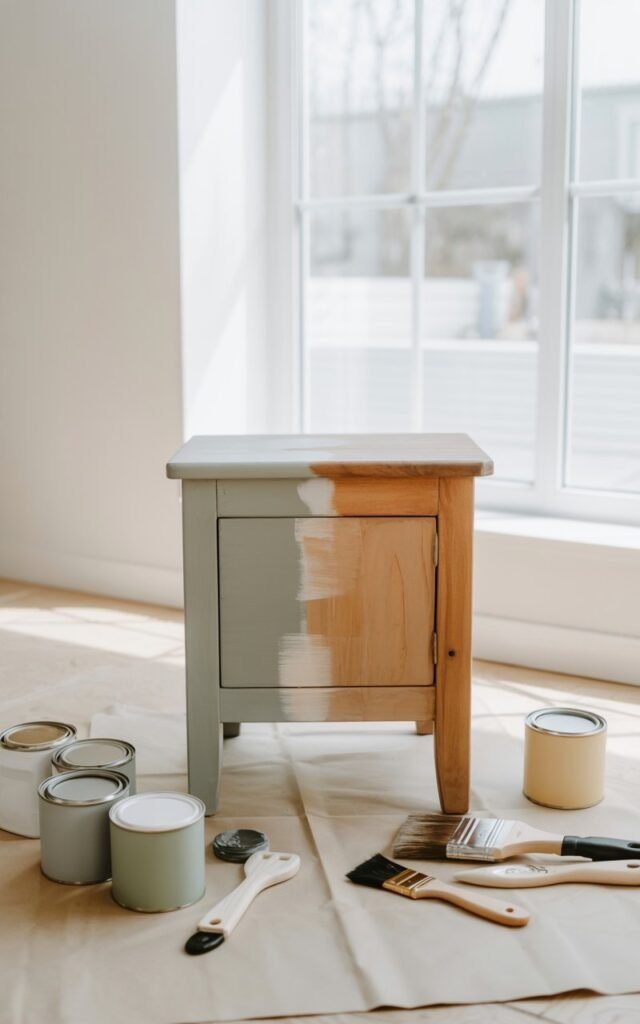
I Don’t Automatically Paint Everything
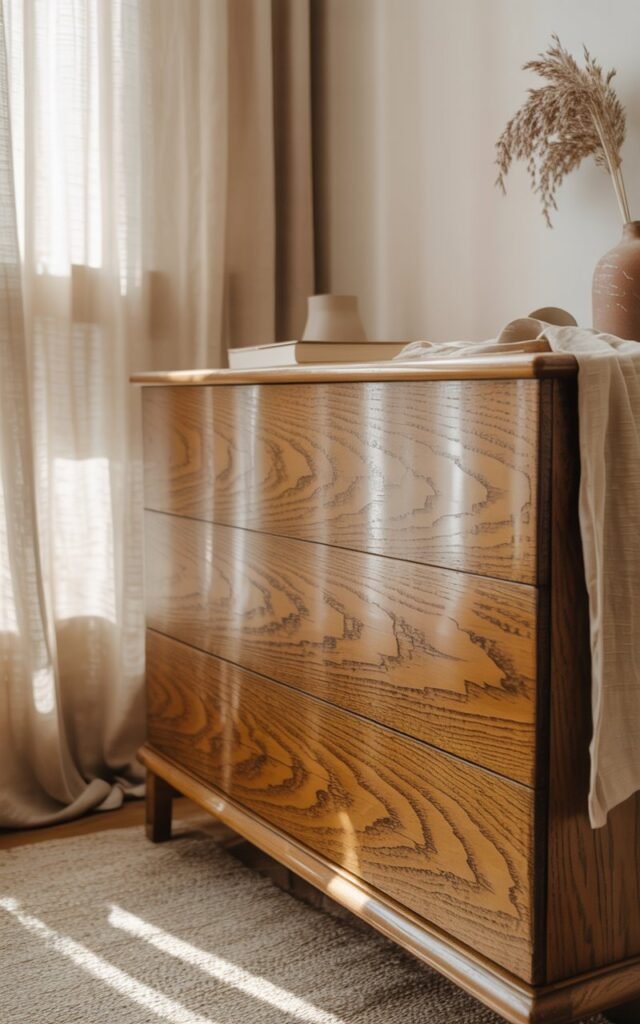
Painting can be great, but it’s not my default choice.
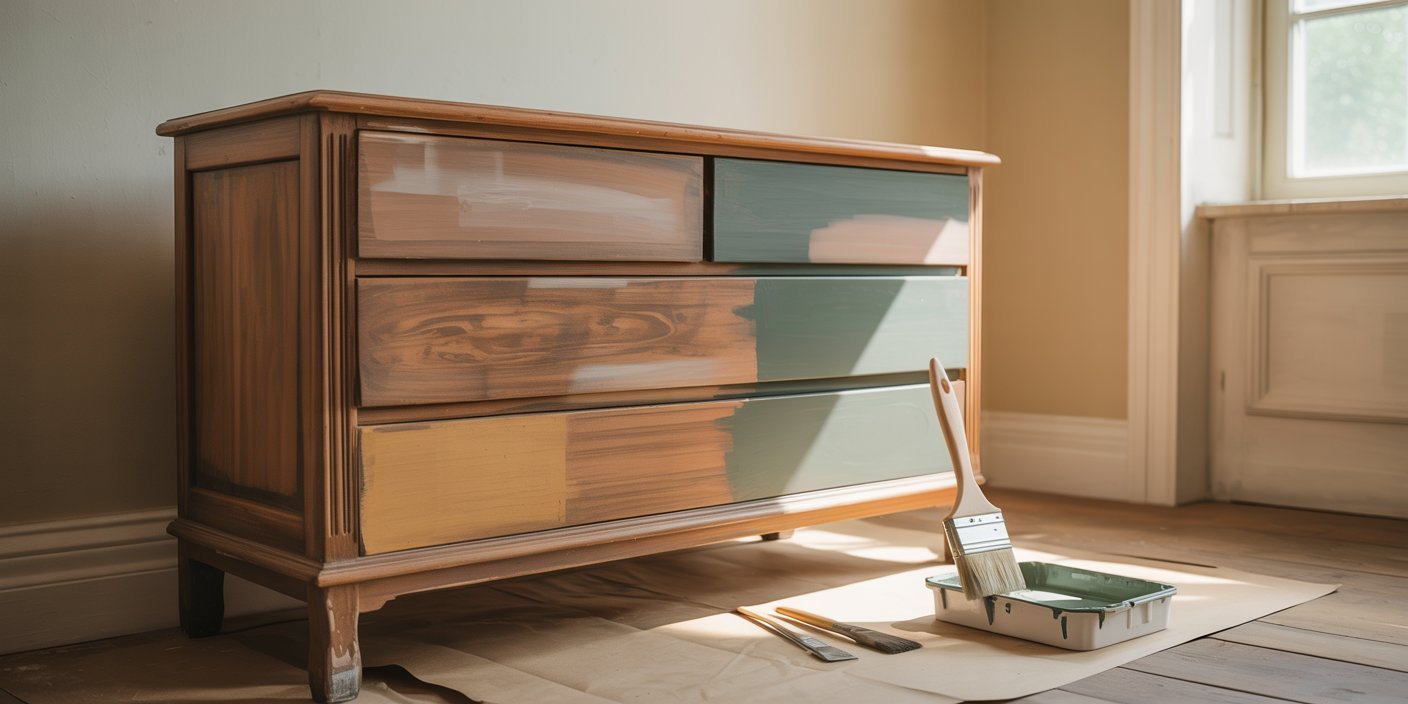
Sometimes I paint only part of a piece — the base, the drawers, or the interior — and leave the rest as-is.
This creates contrast and keeps furniture from looking flat or overly finished.
I Focus on How the Furniture Is Used
I think about daily habits. Drawers that stick, doors that slam, surfaces that collect clutter.
Small functional changes often make more impact than cosmetic ones.
That might mean adjusting hinges, adding felt pads, or rearranging shelves — changes no one notices at first glance but everyone feels.
Hardware Choices Matter More Than I Expected
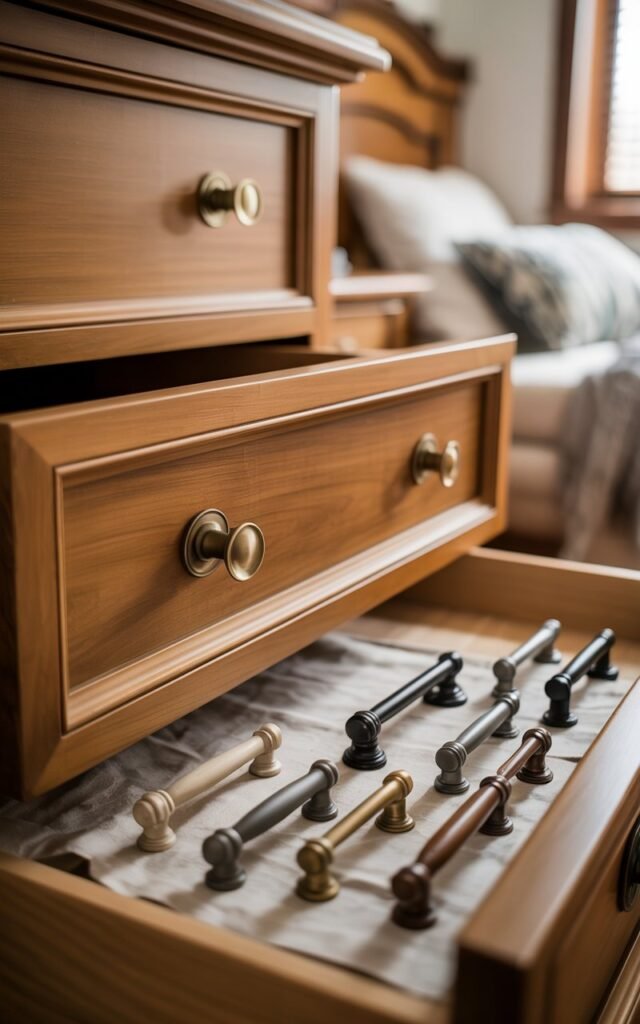
Swapping hardware isn’t just about style. It changes how furniture feels to use.
Weight, shape, and placement all affect the experience.
I’ve learned to choose hardware that feels good in the hand, not just what looks good online.
I Let Furniture Keep Some Age
I no longer try to erase every mark.
Some wear adds warmth and keeps furniture from feeling artificial.
A few visible imperfections make pieces feel settled instead of staged.
What I’ve Learned Through Trial and Error
- Not every project needs a “big reveal”
- Slower projects usually turn out better
- It’s okay to pause and come back later
- Overworking furniture often ruins the charm
- Confidence comes from practice, not perfection
The more pieces I update, the more comfortable I feel trusting my instincts instead of tutorials.
If You’re New to Furniture Updates
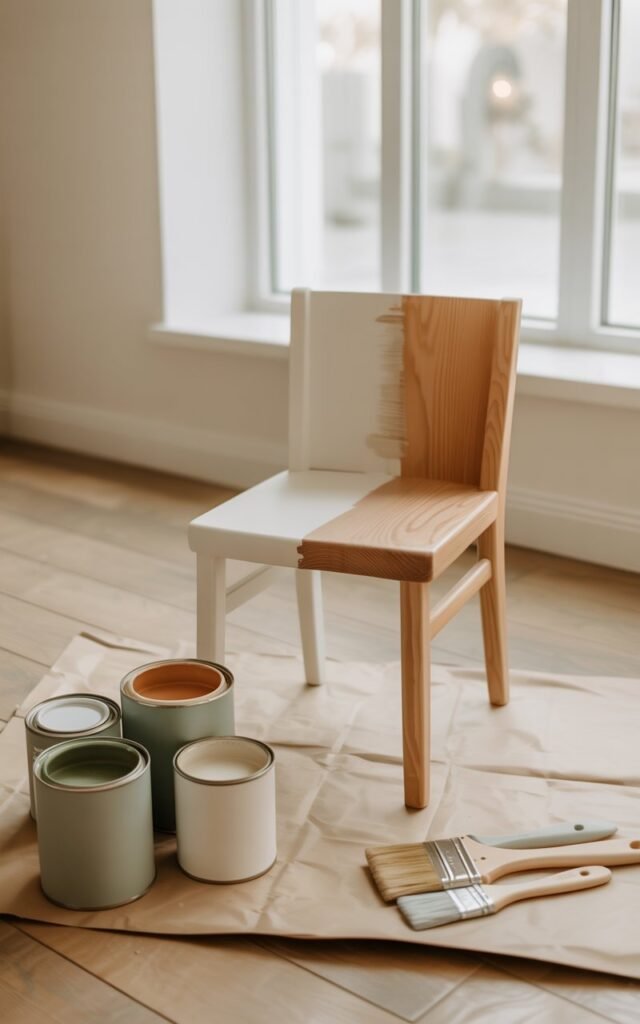
Start with something low-risk. A piece you don’t rely on daily. Give yourself room to learn.
You don’t need a plan for everything upfront.
Many of my best results came from adjusting as I went and responding to how the piece looked in real time.
Why Updated Furniture Feels Different in a Home
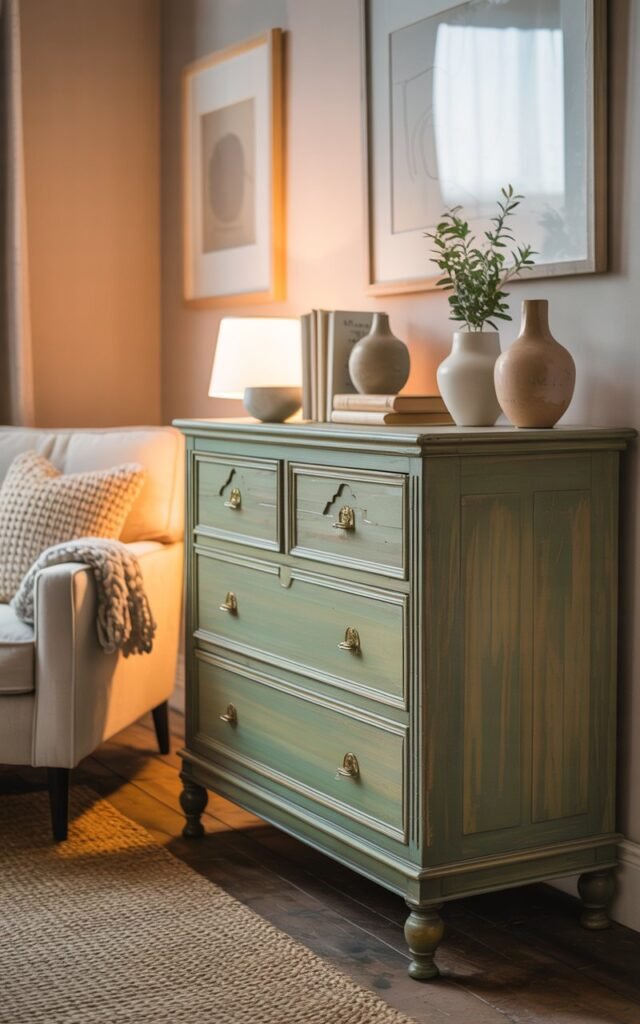
Updated furniture doesn’t just fill space — it belongs there.
It reflects choices, effort, and intention. Even when projects aren’t perfect, they feel personal.
That’s something brand-new furniture can’t always offer.
Final Thoughts
Refreshing furniture isn’t about chasing trends or achieving flawless finishes.
It’s about making your home work better for you, using what you already have, and finding satisfaction in the process.
Before replacing a piece, pause. Look at it differently.
With a few thoughtful changes, it might already be exactly what your space needs.