I’ll be honest—when I first tried painting, I felt completely lost. I stared at a blank canvas for what felt like hours, unsure where to start.
I had ideas in my head, but my hands just wouldn’t cooperate.
My kids were drawing beside me, happily smearing colors around, while I was frozen with fear of messing up.
That’s when I realized something important: painting isn’t about perfection—it’s about process, learning, and having the right guidance.
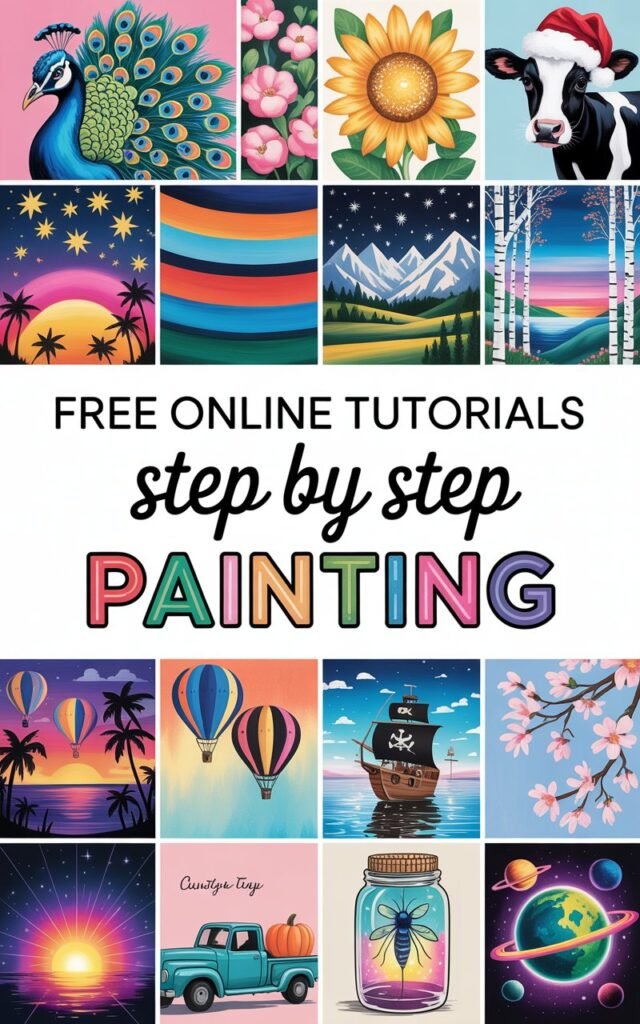
Once I discovered a few structured online tutorials, everything changed.
Suddenly, I wasn’t intimidated by brushes, color palettes, or blending techniques. I was creating art I didn’t even think I could.
If you’re a beginner like I was, this post is for you.
I’m sharing step-by-step painting tips, along with a curated collection of online tutorials that make learning easy, fun, and approachable—even if you’ve never held a brush before.
Step 1: Start With the Basics
When I started, I knew I needed to build a foundation first. I began with simple shapes—circles, squares, triangles—and practiced filling them with solid color.
It may sound silly, but mastering basic strokes gave me the confidence to move on to more complex subjects.
At first, I practiced on scrap paper, letting myself make mistakes. I learned that smudges, uneven lines, or colors that didn’t mix perfectly are part of the process.
Over time, my control improved, and I started to enjoy the act of painting more than the outcome.
Beginner tip: Start with one medium—like watercolors or acrylics—before trying to combine different paints or techniques.
Step 2: Choose Your Tools Wisely
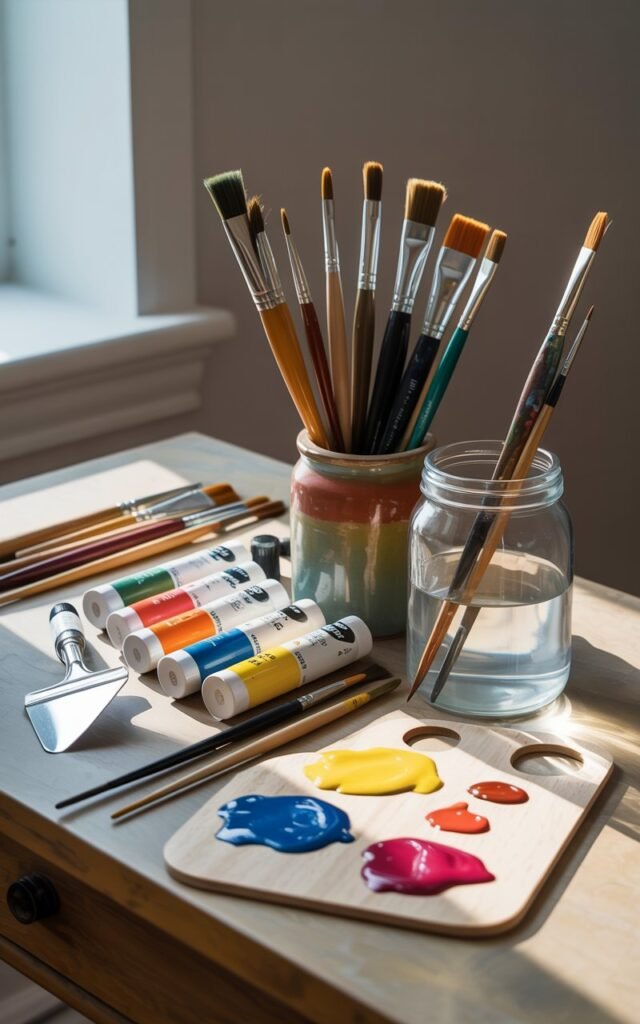
I spent a lot of time with cheap brushes and student-grade paints early on, and I noticed the difference.
Upgrading to quality brushes, paints, and canvases made my learning process smoother.
I now have a small box with:
- A few round and flat brushes in different sizes
- A basic palette for mixing colors
- Watercolor and acrylic paints
- A sketchbook for planning
You don’t need a huge collection—just a few reliable tools to get started.
Having the right materials makes it easier to follow tutorials and experiment without frustration.
Step 3: Learn Color Mixing
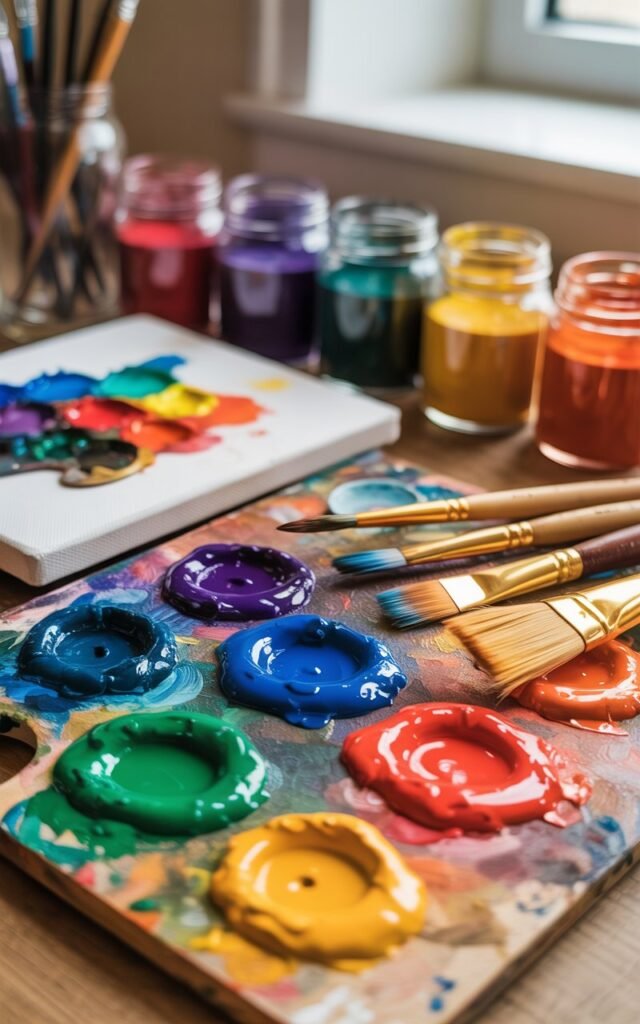
One of the hardest parts for me was understanding how colors interact. I spent hours trying to get the exact shade I wanted.
Watching online tutorials helped me see step-by-step how to mix colors without wasting paint.
I started keeping a small color chart for reference—mixing two or three colors to see what they create.
This simple practice gave me more control over my artwork and lessened my fear of ruining a painting.
Tip: Don’t be afraid to experiment. Some of my favorite effects came from “mistakes” while mixing.
Step 4: Follow Step-by-Step Online Tutorials
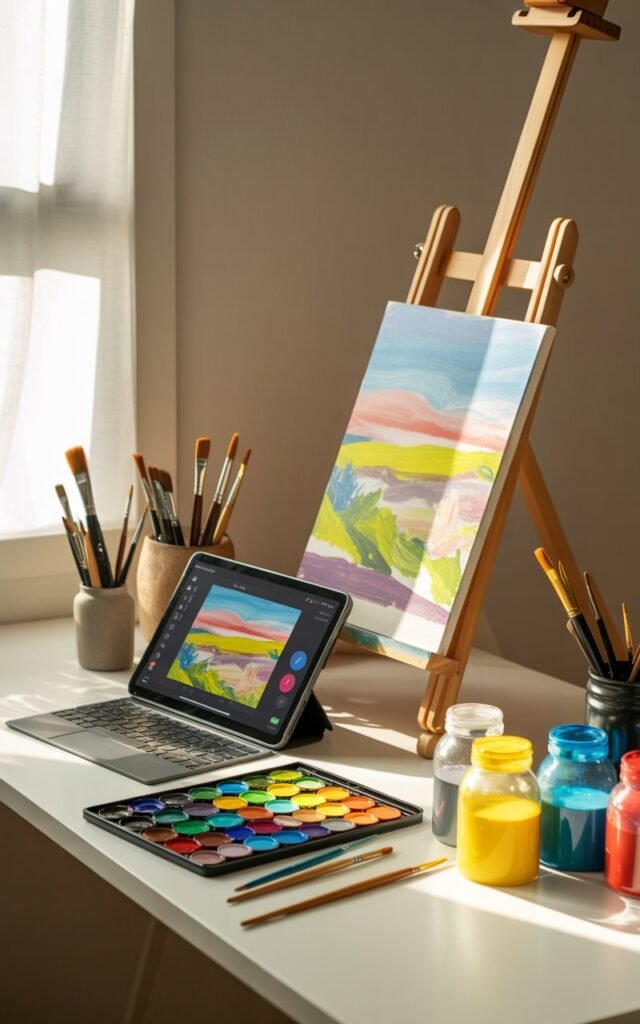
This was a game-changer for me. Instead of staring at a blank canvas and guessing, I started following structured online tutorials. I found ones that:
- Break projects into clear, manageable steps
- Show brush techniques slowly
- Include tips on shading, blending, and layering
Some of my favorite sources include:
- YouTube channels dedicated to beginner painting
- Websites offering free guided lessons
- Online communities where beginners share progress
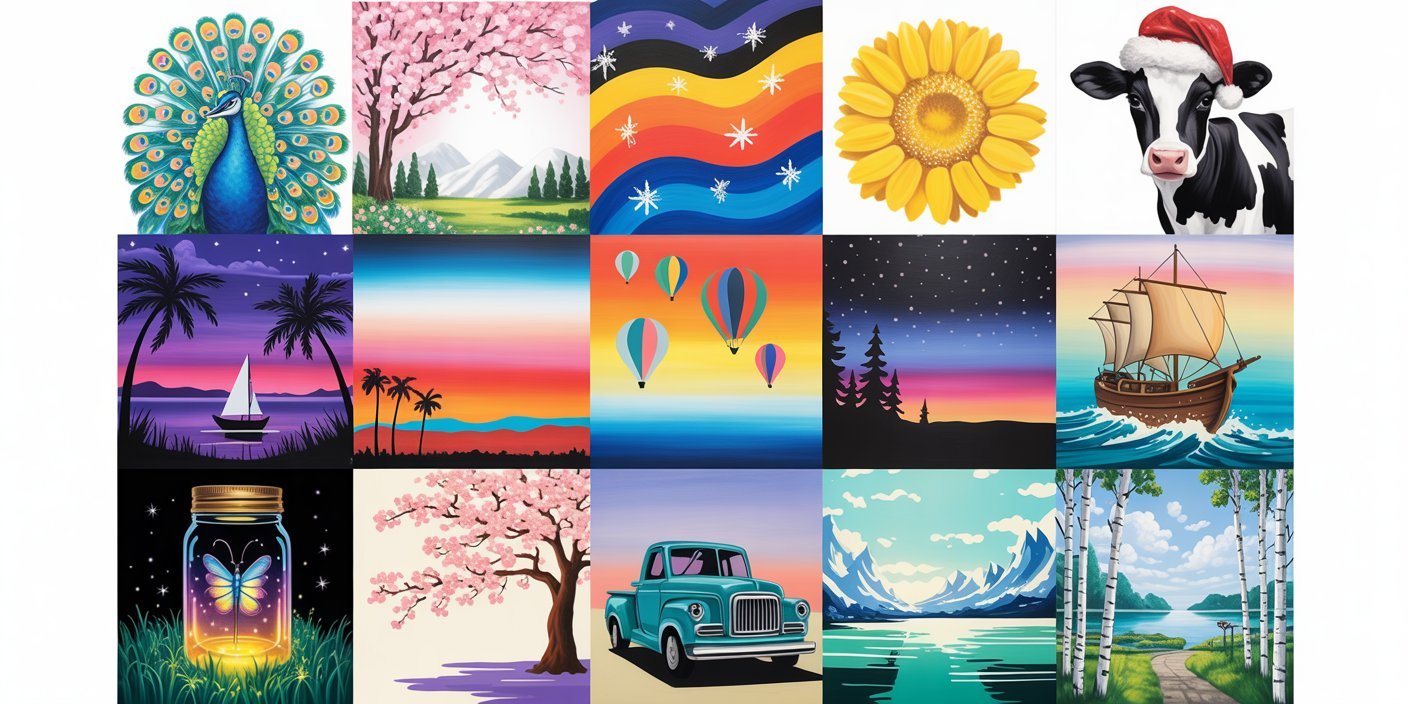
Following tutorials gave me confidence and taught me practical skills quickly. I could start small—painting a flower or a landscape—without feeling overwhelmed.
Step 5: Practice Regularly
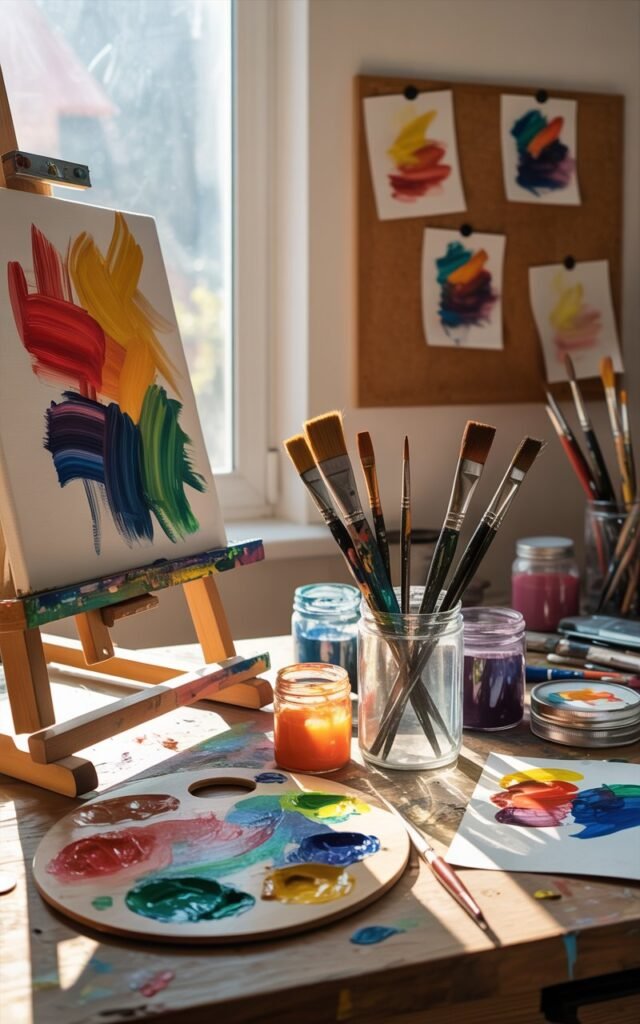
Even with great tutorials, nothing replaces consistent practice.
I made a habit of painting for 20–30 minutes a day, sometimes with the kids joining me. The difference over a few weeks was astonishing.
My brush strokes became steadier, color choices bolder, and blending smoother.
I also learned to keep old paintings, even imperfect ones. Looking back at them shows real progress and motivates me to keep going.
Step 6: Experiment With Different Styles
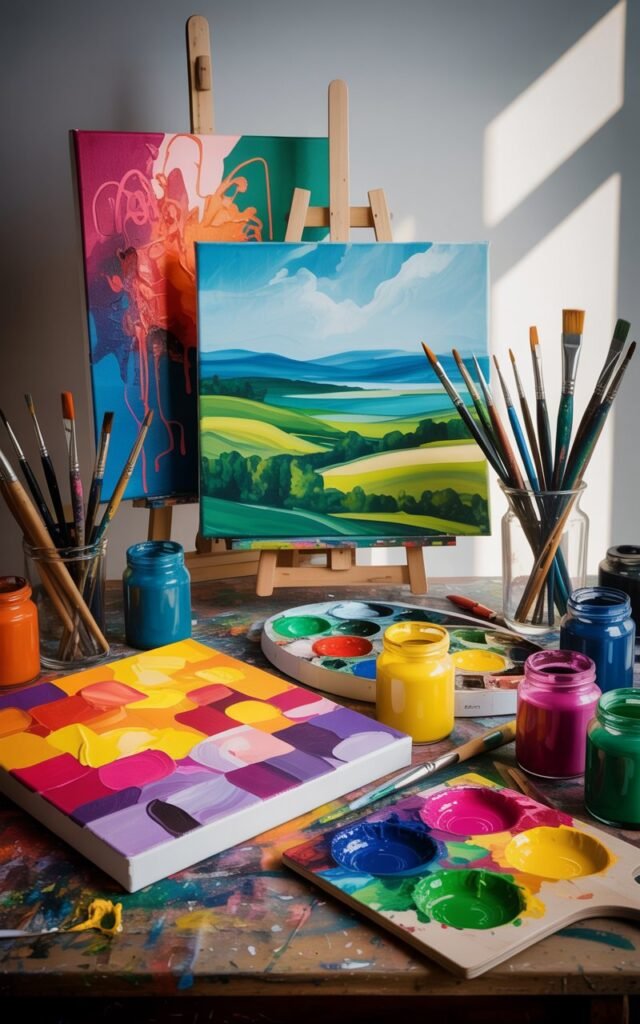
Once I had the basics, I started experimenting. Watercolor, acrylic, abstract, realistic, impressionist—you name it.
Online tutorials made it easy to try new styles without committing to expensive classes.
I even started small projects for my home—painting a canvas for my bedroom or a fun piece for the kids’ playroom. It made painting feel personal and rewarding.
Step 7: Join Online Painting Communities
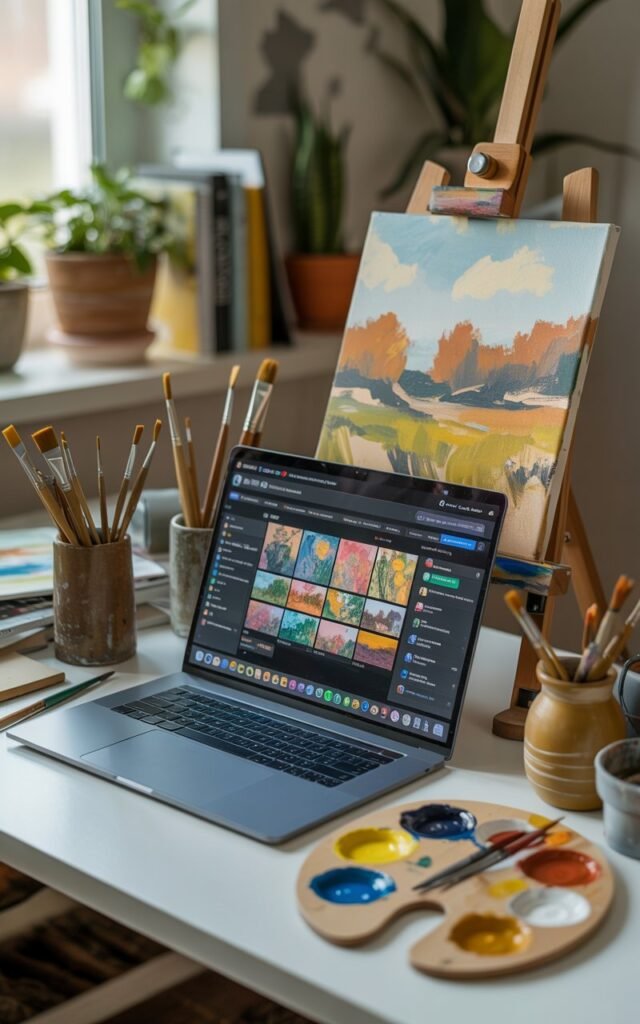
One thing I didn’t expect was how much community support could improve my learning.
I joined Facebook groups and forums where beginners share their paintings, ask for advice, and post tutorials.
Getting feedback and seeing other people’s step-by-step processes helped me see new approaches and inspired creativity I wouldn’t have discovered on my own.
Step 8: Make it Fun and Personal
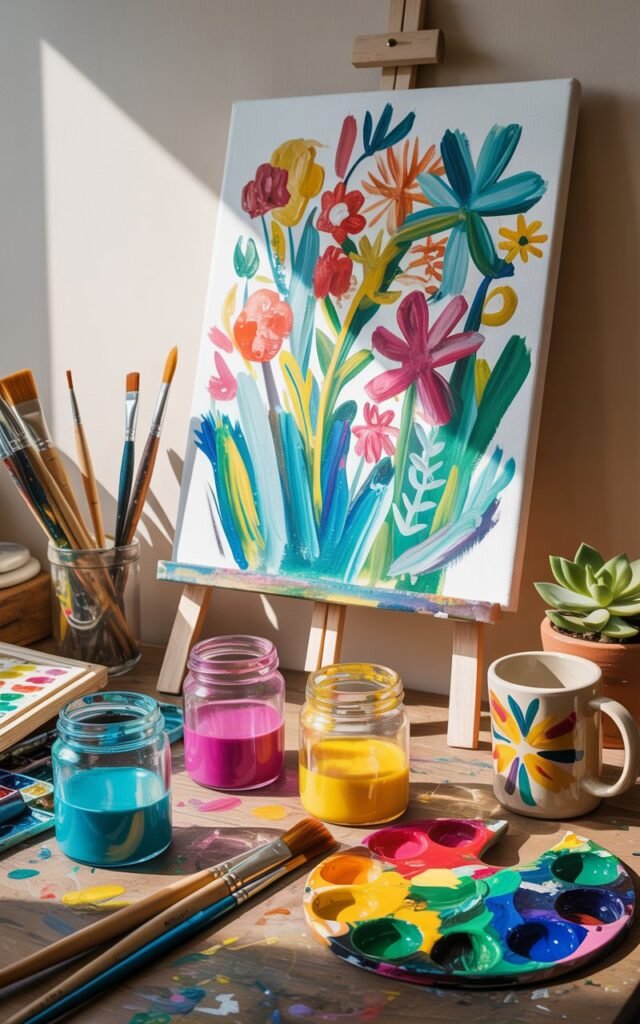
The biggest lesson I learned: painting is for me. I make art that makes me happy, even if it’s imperfect.
Some days, I follow tutorials exactly; other days, I improvise, using colors and styles that match my mood.
My kids love joining in, and sometimes we have impromptu painting afternoons with messy, colorful canvases covering the kitchen table.
Those moments became part of the joy, not just the finished paintings.
Huge Collection of Beginner-Friendly Online Tutorials
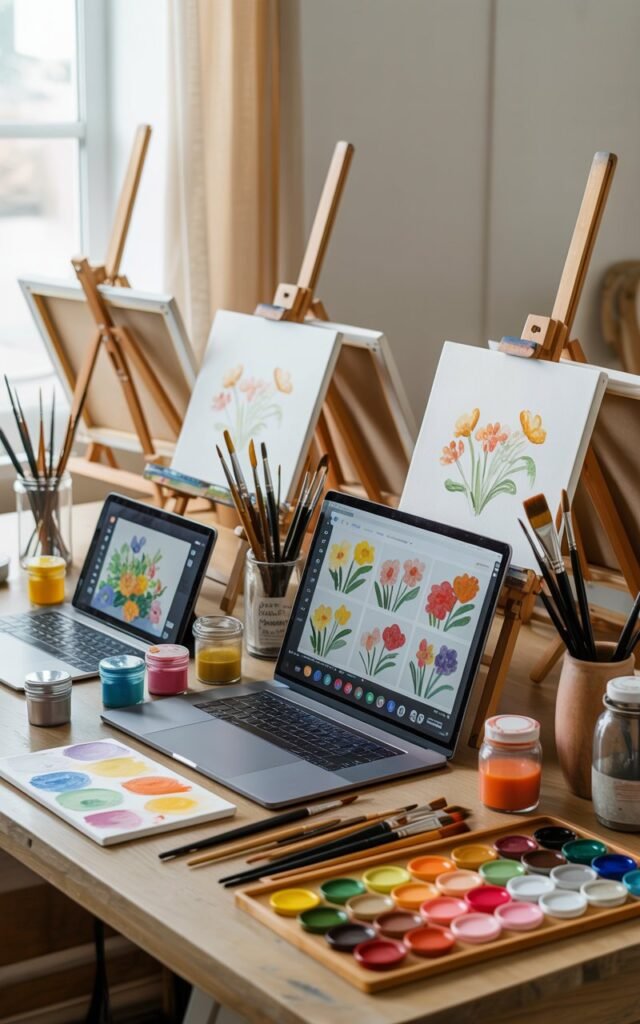
Here’s a curated list of resources I found incredibly helpful:
- YouTube Channels – Free tutorials for step-by-step acrylic, watercolor, and sketching projects.
- Skillshare Classes – Beginner-focused lessons that guide you from simple shapes to full landscapes.
- Udemy Courses – Affordable courses with structured lessons and downloadable guides.
- Pinterest Tutorials – Visual step-by-step ideas for small projects and home décor paintings.
- Instagram Art Teachers – Quick, practical reels demonstrating brush techniques and color mixing.
Each of these resources breaks painting into manageable steps, so even if you feel like a total beginner, you can see tangible progress.
My Takeaways
Starting painting as a beginner can feel intimidating, but with the right steps, tools, and tutorials, it becomes not only doable but deeply enjoyable.
I went from staring at a blank canvas for hours to creating pieces I’m proud to display.
Painting has become my personal retreat, a way to unwind after a long day, and a fun activity I can share with my kids.
If you’re ready to try, start small, follow step-by-step tutorials, and let yourself experiment.
The results aren’t just the paintings you create—they’re the moments of creativity, relaxation, and joy along the way.