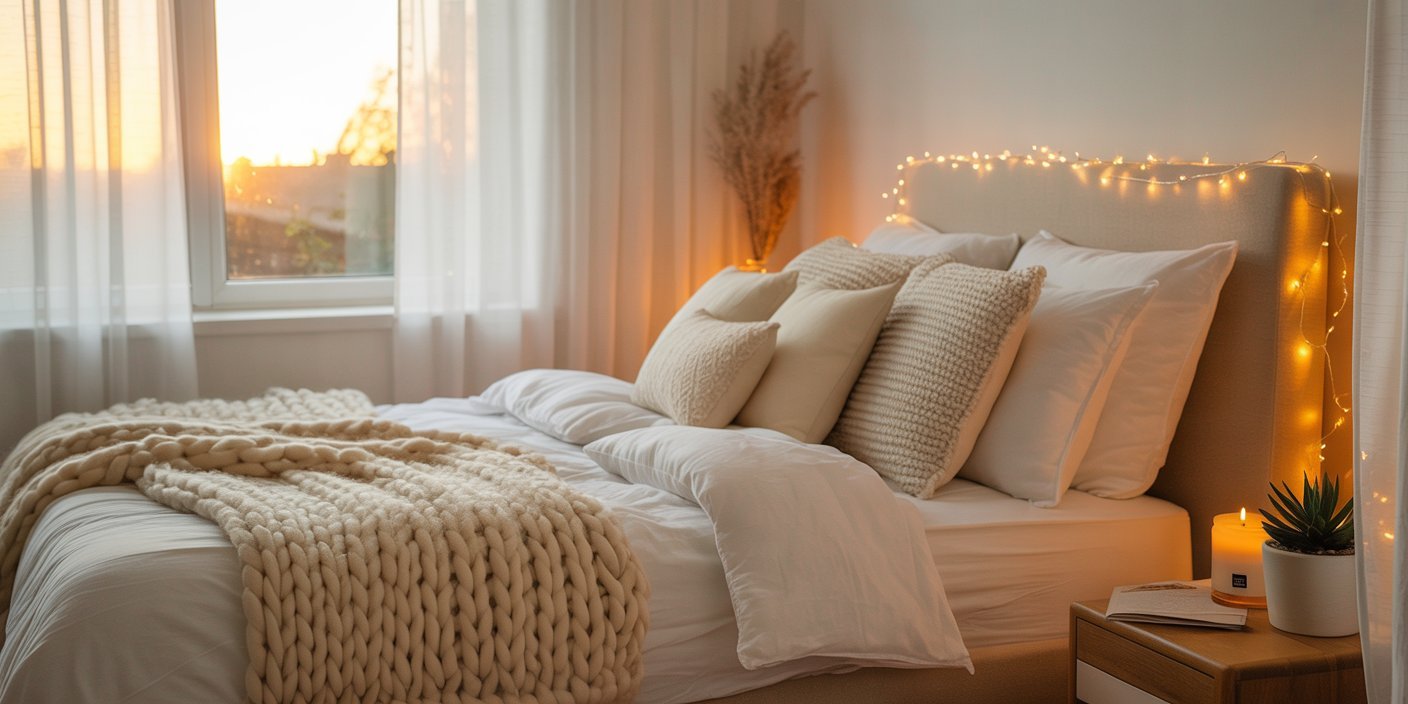
There was a time when my bedroom was the last place I wanted to be.
It was mostly a dumping ground for laundry baskets, unfolded clothes, random paperwork, and the occasional toy that somehow wandered in from the kids’ rooms. I slept there, yes, but I never relaxed there.
That changed slowly, not overnight. Between busy mornings, school drop-offs, grocery runs, work, cooking dinner, and cleaning up after everyone else, I realized I needed one space that felt like it belonged just to me.

Not a shared family room. Not the kitchen. A room where I could breathe, reset, and feel calm again.
Creating a bedroom you never want to leave doesn’t require expensive furniture or a full renovation. It’s about intention, comfort, and small changes that add up.
These are the seven things that completely transformed my bedroom and made it my favorite place in the house.
1. Start With Comfort That Actually Supports Your Body
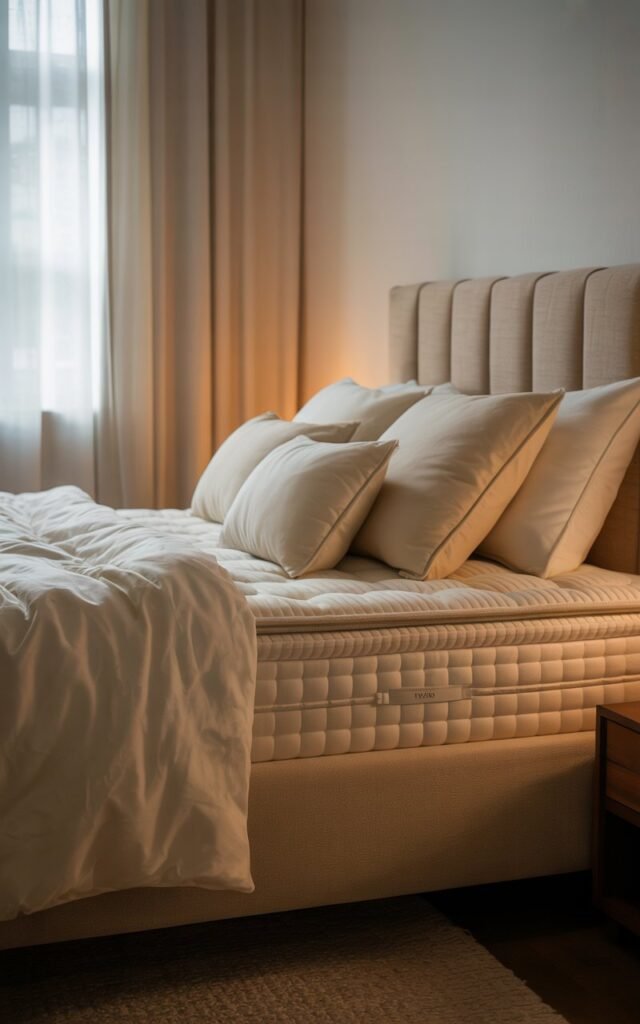
The biggest mistake I made for years was ignoring comfort. I focused on how things looked instead of how they felt.
Once I started waking up with stiff shoulders and lower back aches, I knew something had to change.
I invested in better bedding first. A supportive mattress topper made a noticeable difference right away.
I swapped out old pillows that had lost their shape and replaced them with ones that supported my neck properly. Even my sheets changed.
I moved away from rough fabrics and chose breathable cotton that felt cool and soft at the end of long days.
Now, climbing into bed feels like a reward instead of a routine. When the kids finally fall asleep and the house quiets down, my bed feels like a place my body actually wants to be.
2. Choose Lighting That Matches Your Mood, Not Just the Room
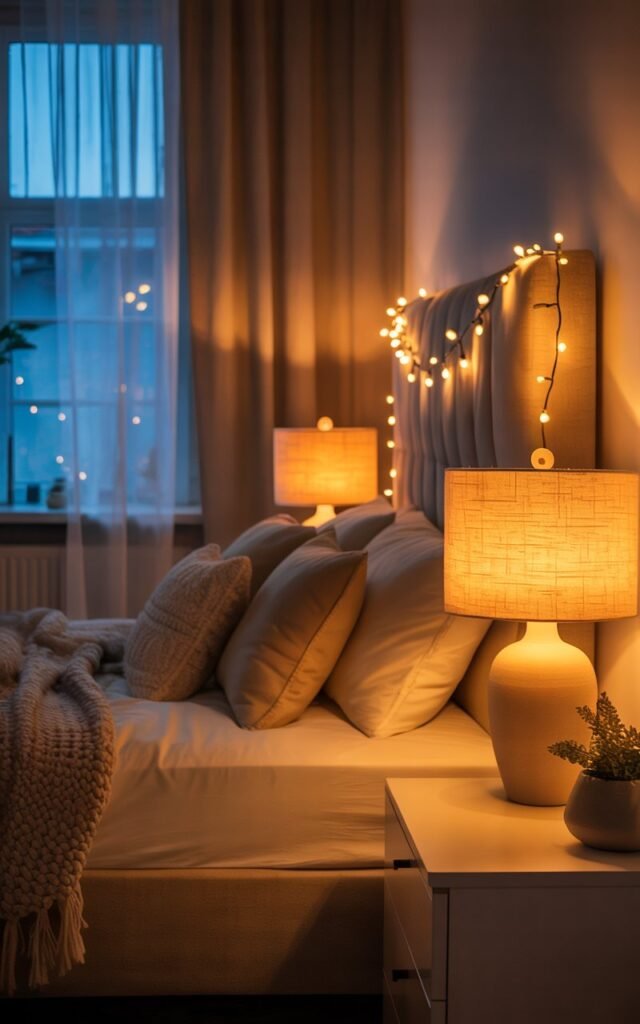
Harsh overhead lights were killing the calm in my bedroom.
They made everything feel clinical and cold, especially at night when I wanted to unwind.
I added soft bedside lamps and a warm bulb that gives off a gentle glow instead of sharp brightness.
Some evenings, I turn off the main light completely and rely on low lighting to signal my brain that it’s time to slow down.
On weekends, when I have time to sit on the bed with a book or scroll quietly, the lighting makes the space feel cozy instead of overstimulating.
It changed the entire energy of the room without changing any furniture.
3. Declutter Until the Room Can Breathe Again
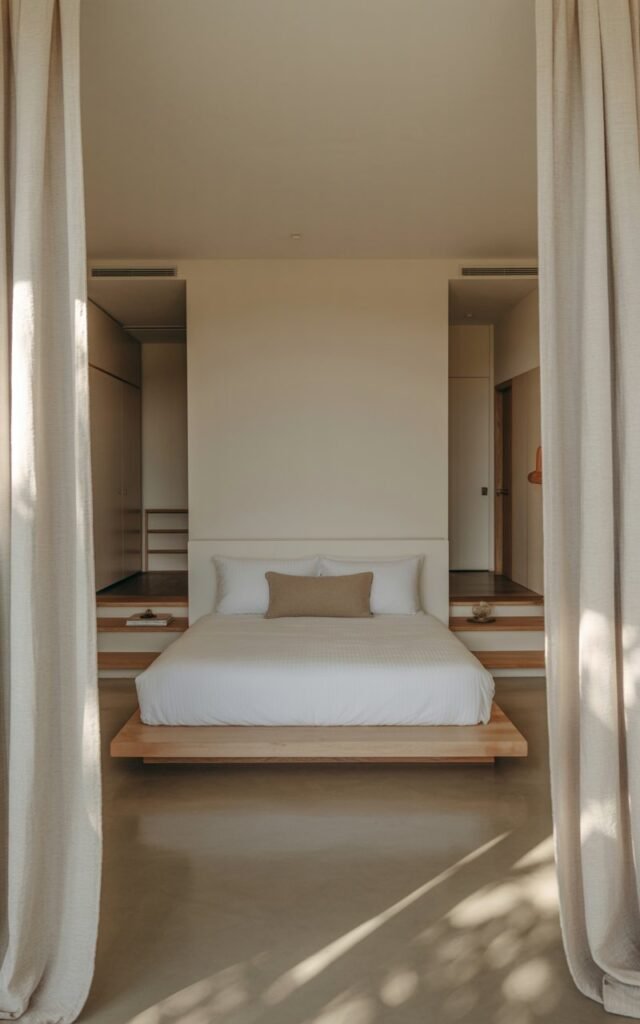
This step wasn’t glamorous, but it was necessary. My bedroom had slowly become a storage unit for things that didn’t have a home.
Bags under the bed. Shoes in the corner. Laundry piles that never fully disappeared.
One afternoon, I cleared everything out that didn’t belong there. If it wasn’t related to rest, comfort, or clothing I actually wear, it left the room.
I organized drawers, simplified my closet, and stopped using my bedroom as a temporary holding area.
The difference was immediate. The room felt lighter. Cleaner. Quieter.
I sleep better when there isn’t visual chaos around me, and keeping the space clutter-free has become part of my weekly reset routine.
4. Add Textures That Make the Space Feel Inviting

A room can look fine but still feel cold. What changed that for me was layering textures.
I added a soft throw blanket at the end of the bed, not just for decoration but for evenings when I want to sit and relax.
I placed a small rug beside the bed so my feet touch something warm instead of the cold floor in the morning.
Even little details matter. A fabric headboard, linen pillow covers, and curtains that move gently when the window is open all add warmth.
The room feels lived in, not staged.
5. Make the Bedroom Smell Calm and Familiar

Scent is powerful, and I didn’t realize how much it affected my mood until I paid attention to it.
I started using a subtle room spray in the evenings, nothing overpowering, just something clean and soothing.
Fresh sheets make a difference too. I wash them regularly and let them dry fully so they smell crisp and comforting.
Sometimes I open the windows in the afternoon to let fresh air circulate before closing everything up for the night.
Now, when I walk into my bedroom, it smells like rest. That alone makes me want to stay longer.
6. Create a Small Personal Ritual Space
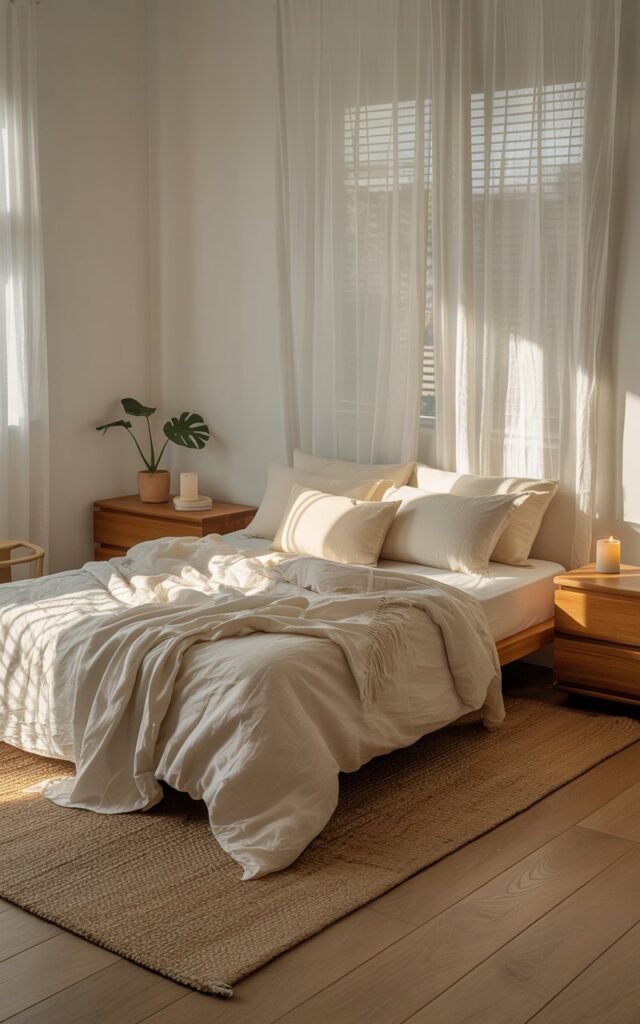
One of my favorite changes was creating a tiny corner just for me. Not for storage. Not for work. Just for quiet moments.
I placed a small tray on my nightstand with things I actually use. A book I’m reading slowly. Hand cream I use every night.
A glass of water. Sometimes my journal if I’ve had a long day and need to clear my thoughts.
This small setup turned bedtime into a ritual instead of something rushed.
Even if I only get ten minutes to myself before falling asleep, those minutes feel intentional.
7. Keep the Bedroom a Calm Zone, Not a Catch-All Space
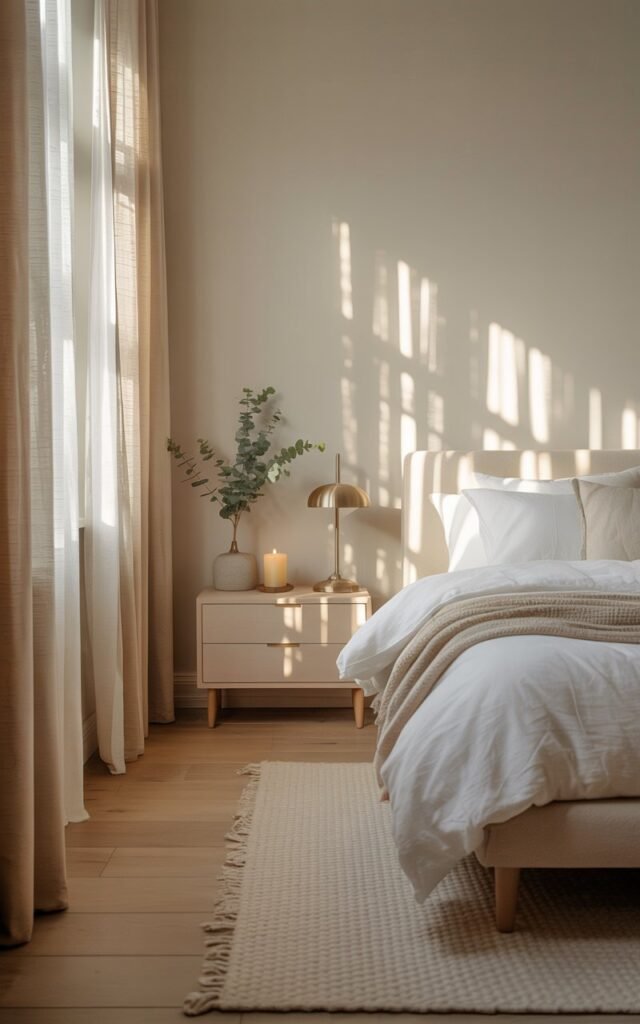
This was the hardest habit to build, especially with kids and a busy household. I had to set boundaries for the bedroom.
I stopped folding laundry on the bed. I stopped letting random items pile up “just for now.” I try not to bring stressful tasks into the room whenever possible.
My bedroom is no longer a workspace or a storage room. It’s where I rest, recharge, and start the next day feeling a little more grounded.
Protecting that purpose has been the key to making it a place I genuinely don’t want to leave.
Final Thoughts
Creating a bedroom you never want to leave isn’t about perfection. It’s about how the space makes you feel at the end of a long day.
For me, this room became a quiet anchor in a busy life.
It’s where I decompress after cleaning the kitchen, where I retreat after a long day of parenting, and where I finally slow down enough to listen to myself again.
Small changes added up to something meaningful. Comfort, softness, calm, and intention turned an ordinary bedroom into my favorite room in the house.
If your days feel full and your energy feels stretched, start here. Your bedroom can become more than a place to sleep.
It can become a place you look forward to returning to every single night.